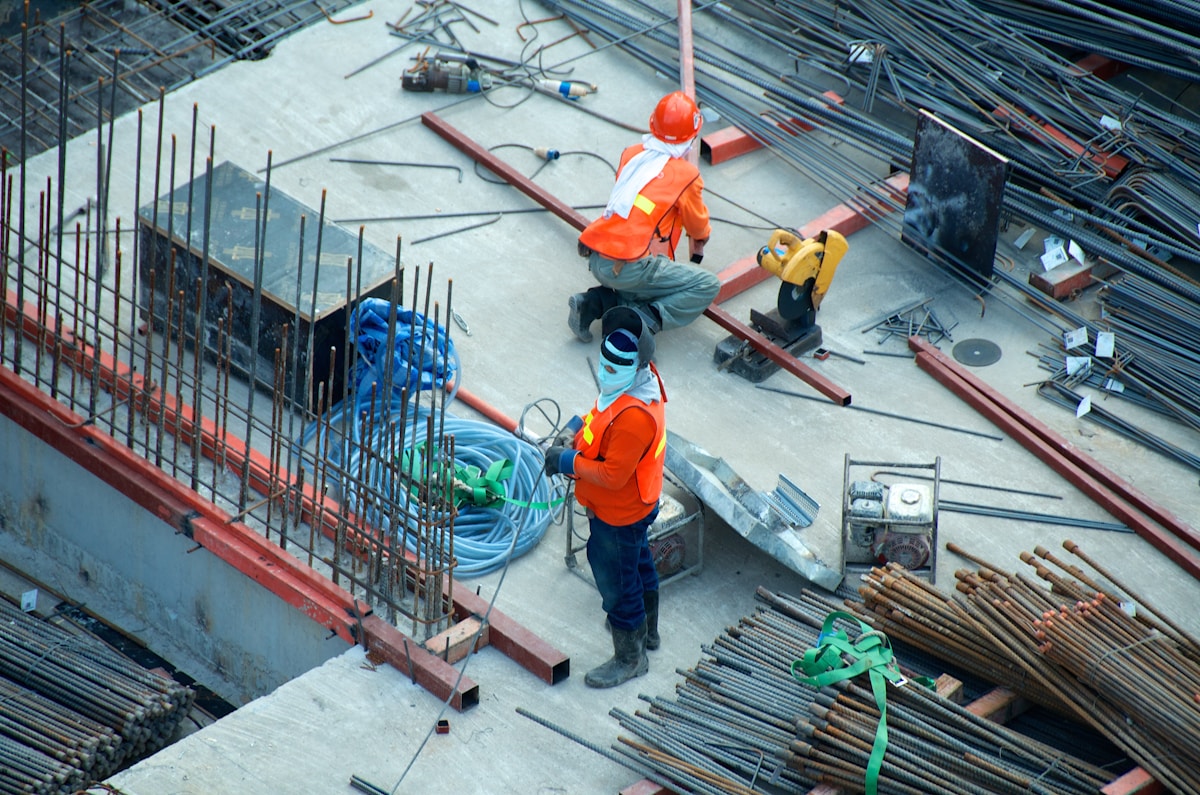
Structural engineering is one of the oldest and most essential disciplines within civil engineering. It focuses on the design, construction, and maintenance of structures that support or resist loads. From residential buildings to massive bridges, structural engineers ensure that infrastructure is safe, functional, and durable.
What is Structural Engineering?
Structural engineering is a specialized branch of civil engineering that deals with the analysis, design, construction, and maintenance of structures that support or resist loads. Structural engineers are responsible for ensuring that buildings, bridges, towers, and other structures can withstand the forces and stresses they encounter throughout their lifespan.
The primary goal of structural engineering is to create structures that are both safe and functional. This means designing buildings and other structures to resist various loads without collapsing, while also ensuring they meet the aesthetic and functional requirements of the project.
Key Principles of Structural Engineering
Understanding Loads
Structures must be designed to withstand various types of loads. These can be categorized into several main types:
- Permanent Loads (Dead Loads): The weight of the structure itself, including walls, floors, roofs, and permanent fixtures. These loads are constant and do not change over time.
- Variable Loads (Live Loads): Loads that can change over time, such as occupants, furniture, equipment, and vehicles. Building codes specify minimum live load requirements for different occupancy types.
- Environmental Loads: Loads imposed by the natural environment, including wind, snow, rain, and earthquakes. These loads vary based on geographic location and building configuration.
- Special Loads: Loads from unusual events such as explosions, impacts, or construction defects.
Load Paths
A load path is the path through which loads travel from their point of application to the ground. Understanding load paths is fundamental to structural engineering. When a load is applied to a structure, it travels through various structural elements until it reaches the foundation and the ground beneath.
For example, in a typical building, the load path might work as follows: floor loads transfer to beams, beams transfer to columns, columns transfer to foundations, and foundations transfer to the soil. Each element in the load path must be properly designed to resist the forces it encounters.
Structural Materials
Steel
Steel is one of the most commonly used structural materials, particularly in commercial and industrial construction. It offers excellent strength-to-weight ratio, making it ideal for long-span structures and tall buildings. Steel structures can be fabricated off-site and assembled quickly, reducing construction time.
Structural steel comes in various shapes and grades, each suited for different applications. Common steel shapes include W-shapes (wide flange), I-shapes, channels, angles, and hollow structural sections (HSS). Steel grades indicate the material's strength and other mechanical properties.
Concrete
Concrete is another fundamental structural material, used extensively in buildings, bridges, and infrastructure. It is composed of cement, aggregates (sand and gravel), water, and often admixtures to modify its properties. Concrete is strong in compression but relatively weak in tension, which is why it is typically reinforced with steel rebar.
Reinforced concrete combines the compressive strength of concrete with the tensile strength of steel reinforcement. This combination creates a versatile material suitable for a wide range of structural applications.
Wood
Wood has been used as a structural material for thousands of years and remains popular in residential construction. Engineered wood products like glulam beams, LVL (laminated veneer lumber), and cross-laminated timber (CLT) have expanded the possibilities for wood construction in larger buildings.
Structural Systems
Bearing Wall Systems
In bearing wall systems, loads are transferred through load-bearing walls to the foundation. This system is common in residential construction and low-rise buildings. The walls must be properly designed to carry both vertical loads and lateral forces.
Frame Systems
Frame systems use columns and beams to support loads. The beams span between columns, and loads are transferred from beams to columns to foundations. Frame systems offer more flexibility in space planning compared to bearing wall systems.
Shear Wall Systems
Shear walls are vertical elements designed to resist lateral forces such as wind and earthquake loads. They are typically concrete or reinforced masonry walls that provide stiffness and strength to the structural system.
Braced Frame Systems
Braced frames use diagonal braces to resist lateral loads. The braces create a truss-like system that efficiently transfers lateral forces to the foundation. This system is common in steel construction and offers excellent stiffness.
Moment Frame Systems
Moment frames resist lateral loads through the flexural stiffness of beam-column connections. While more flexible than braced frames, moment frames offer greater architectural freedom since they do not require diagonal braces.
The Design Process
Structural design involves several key steps that ensure the safety and functionality of the completed structure. The process typically begins with determining the design loads and then proceeds through analysis and member sizing.
Once the loads are established, the engineer analyzes the structure to determine internal forces and moments in each member. This analysis may be performed using hand calculations for simple structures or computer software for more complex systems.
After analysis, the engineer designs each structural member to resist the calculated forces while meeting serviceability requirements such as deflection limits. The design must also consider constructability, cost, and aesthetic requirements.
Safety Considerations
Structural safety is paramount in engineering practice. Engineers use safety factors to account for uncertainties in loads, material properties, and analysis methods. Building codes establish minimum safety requirements that must be met for structures to receive permits and approval.
Quality control during construction is essential to ensure the completed structure matches the design intent. Inspections, testing, and monitoring help verify that materials and workmanship meet required standards.
Conclusion
Structural engineering is a fascinating and rewarding field that combines scientific principles with creative problem-solving. Structural engineers play a crucial role in shaping the built environment, creating safe and functional spaces where people live, work, and gather.
Whether you are a student considering a career in structural engineering or a professional seeking to expand your knowledge, understanding these fundamental concepts provides a solid foundation for further study and exploration in this dynamic field.
Related Tools
Beam Deflection Calculator - Calculate beam deflection and stress
Column Design Calculator - Design columns for various loading conditions
Concrete Mix Calculator - Calculate concrete mix proportions